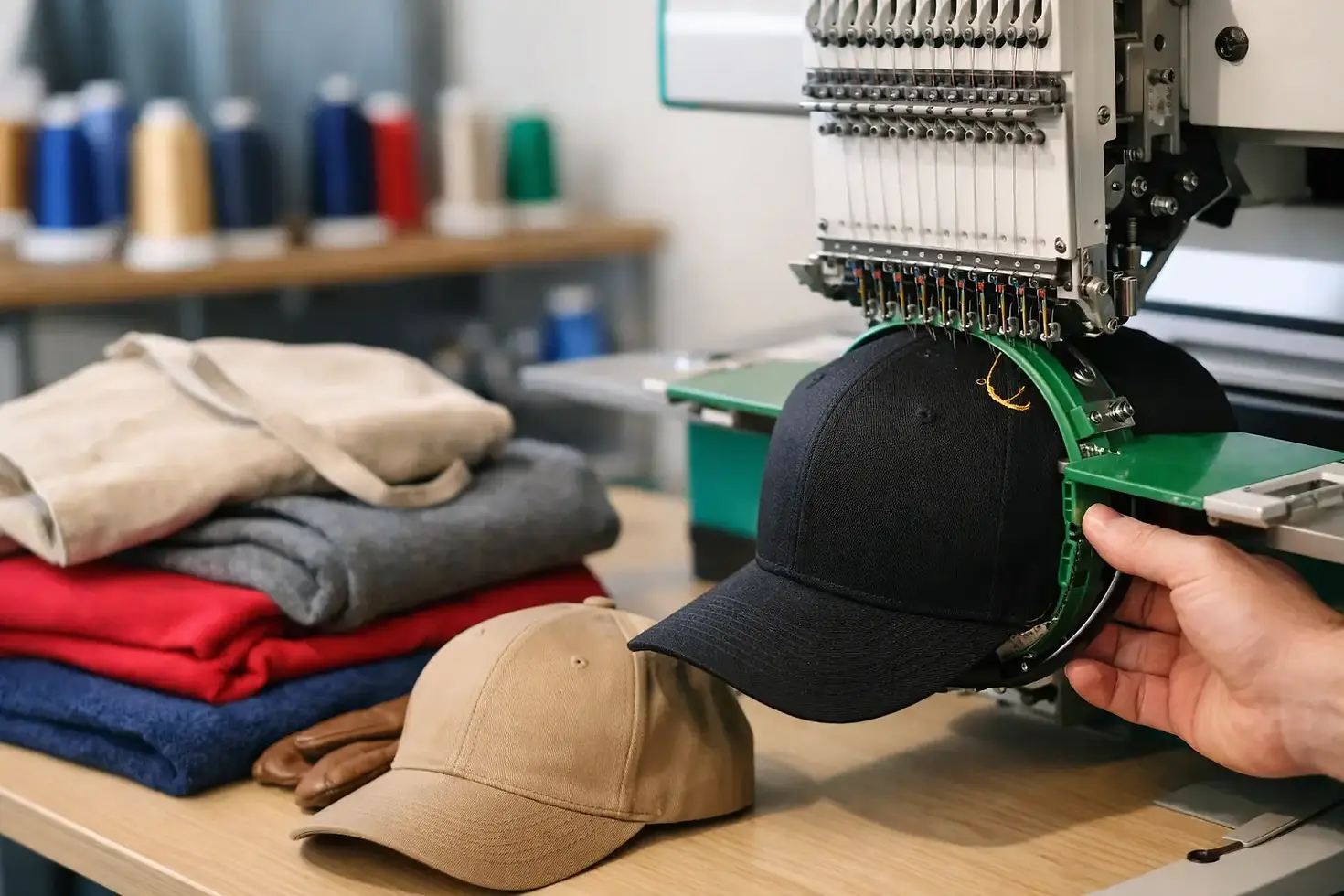
Can You Embroider Customer Supplied Items?
- averyjanedesigns

- May 25
- 6 min read
A lot of people ask this after they have already bought the item they want stitched - a favorite jacket, a stack of polos for a new business, baby blankets for gifts, or hats for a team. The short answer to can you embroider customer supplied items is yes, many times you can. The better answer is that it depends on the item, the fabric, the placement, and whether the piece can handle embroidery without being damaged or distorted.
That is why this question matters more than it may seem at first. Embroidery is not just adding thread to fabric. It puts thousands of stitches into a specific area, and that process requires the right material, the right backing, and enough room to hoop or secure the item properly. When those pieces line up, customer-supplied items can turn out beautifully. When they do not, even a great design can become a problem.
Can you embroider customer supplied items for any project?
Not every item is a good candidate, but many are. Shirts, jackets, polos, sweatshirts, aprons, tote bags, backpacks, robes, towels, blankets, and many hats are commonly embroidered. These are the kinds of items people often bring in when they want a name, monogram, business logo, team identifier, or one special gift.
Where things get trickier is with very delicate fabrics, heavily insulated pieces, very thick seams, waterproof materials, and items with awkward construction. A bag with hidden lining access may work well. A bag with hard panels, metal framing, or difficult compartments may not. A soft cotton baby blanket may stitch nicely. A loosely woven knit blanket may pull or pucker.
The main point is simple: customer-supplied does not mean automatically approved or automatically rejected. It means the item should be evaluated before stitching starts.
What makes an item embroidery-friendly?
Fabric stability is one of the biggest factors. Embroidery needs a surface that can support thread tension and repeated needle penetration. Stable fabrics like twill, canvas, denim, fleece, pique polos, and many cotton blends usually perform well. Stretchy performance fabric can also work, but it often needs extra care, the right stabilizer, and smart design choices.
Construction matters just as much as fabric. Even if the material is suitable, the item has to be accessible for embroidery. A left-chest logo on a polo is fairly straightforward. A logo on the pocket of a fully lined duffel bag is another story. Some items have zippers, seams, padding, or interior barriers that limit where the machine can stitch.
Design size also affects success. A small monogram can work on places where a large logo cannot. Fine detail may look great in digitized art, but if the item texture is thick or stretchy, those tiny elements may not sew cleanly. Good embroidery is part design and part placement, and both need to match the item.
When customer-supplied items are a great choice
Sometimes bringing your own item is the smartest option. You may already have uniforms that fit your team well and just need a logo added. You may have found a specific brand or style you love and do not want to switch just to get embroidery. You may also be working on a sentimental project, like personalizing a family keepsake, a holiday stocking, or a gift item that already has meaning before the stitching begins.
For small businesses, this can also help with flexibility. If you only need a few pieces branded right now, using customer-supplied apparel can be a practical way to get started without overbuying. That works especially well for startups, local crews, church groups, schools, and small teams that need quality embroidery without a large order commitment.
This is one reason many people appreciate a no-minimum shop. You are not forced into a bulk purchase just to get a few items stitched.
When it may not be the best fit
There are times when supplying your own item creates more risk than savings. If the item is expensive, one-of-a-kind, vintage, or impossible to replace, embroidery becomes a more careful conversation. Machines are precise, but embroidery is still a physical process. There is always some level of risk when putting a needle through customer-owned goods.
Very thin, fragile, or highly textured materials can also lead to disappointing results. Leather-like fashion pieces, silk, open-weave knits, heavily coated water-resistant fabrics, and items with unusual shapes may not hold embroidery well. In some cases, the issue is not whether the machine can stitch it. The issue is whether the finished result will look clean and last over time.
That is where honest guidance matters. A good embroidery shop should tell you when an item is likely to work, when it may need a different placement, and when another decorating method or a different product choice would simply be better.
What to know before you bring in your item
If you are wondering can you embroider customer supplied items and get a clean result, a few details make the process much smoother. First, know what you want stitched and where. Even a general idea helps. A name on the cuff, a monogram on the collar, or a logo on the left chest gives a starting point for checking size and placement.
Second, share the fabric content and brand if you know it. That information can help predict how the material will behave under stitching. Third, bring the item in new or clean condition. Embroidery shops need a workable, presentable surface, and it is much easier to evaluate and hoop an item that is ready to go.
It also helps to understand that customer-supplied items may be subject to approval based on condition and construction. That is not a runaround. It is part of protecting the quality of the result and being fair about what the item can realistically handle.
Why placement and backing matter so much
A lot of embroidery problems are not caused by the machine or the design. They come from poor placement or the wrong stabilizer. Backing supports the fabric during stitching, helping prevent shifting, puckering, and distortion. Different items need different support. A sweatshirt does not behave like a nylon bag, and a towel does not behave like a polo.
Placement matters because embroidery has to work with seams, pockets, panels, and how the item will actually be worn or used. A design that looks centered on a flat table may look off once the garment is on a person. Good embroidery takes the real-life use of the item into account.
That is especially important for customer-supplied items, because unlike stock apparel selected by the shop, every outside item can have its own quirks.
Communication makes the biggest difference
The best customer-supplied embroidery jobs usually start with a simple conversation. What is the item? What is the goal? Is it for a business, a gift, an event, or everyday wear? Does the design need to be bold and durable, or small and subtle?
Once those questions are clear, it is easier to recommend the right thread colors, design size, placement, and any adjustments needed for the item itself. Sometimes the answer is yes exactly as requested. Sometimes the answer is yes, but with a better location or a slightly simplified design. And sometimes the most helpful answer is no, because protecting your item matters more than forcing a job through.
That kind of honesty saves time, money, and frustration.
A practical answer to can you embroider customer supplied items
Yes, you can embroider customer supplied items in many cases, and for plenty of customers it is the ideal solution. It works well for business apparel, one-off gifts, personal keepsakes, school gear, team items, and small-batch branding. The key is making sure the item is suitable before the first stitch goes in.
At AJD Custom Embroidery, that personal review is part of the service. As a family-run shop, we know many orders are not just products - they are gifts, brand pieces, event items, or something you have pictured in your head for a while. We want to help bring that idea to life in a way that looks right and holds up.
If you already have the item, do not assume you need to start over or place a big order somewhere else. Bring the idea forward, ask the question, and let the item be evaluated on its own merits. A good embroidery project starts with the right fabric, the right expectations, and a shop that will tell you the truth before the machine ever starts.


Comments